
Safer sport in practice: turning safeguarding commitments into action
8 August 2026

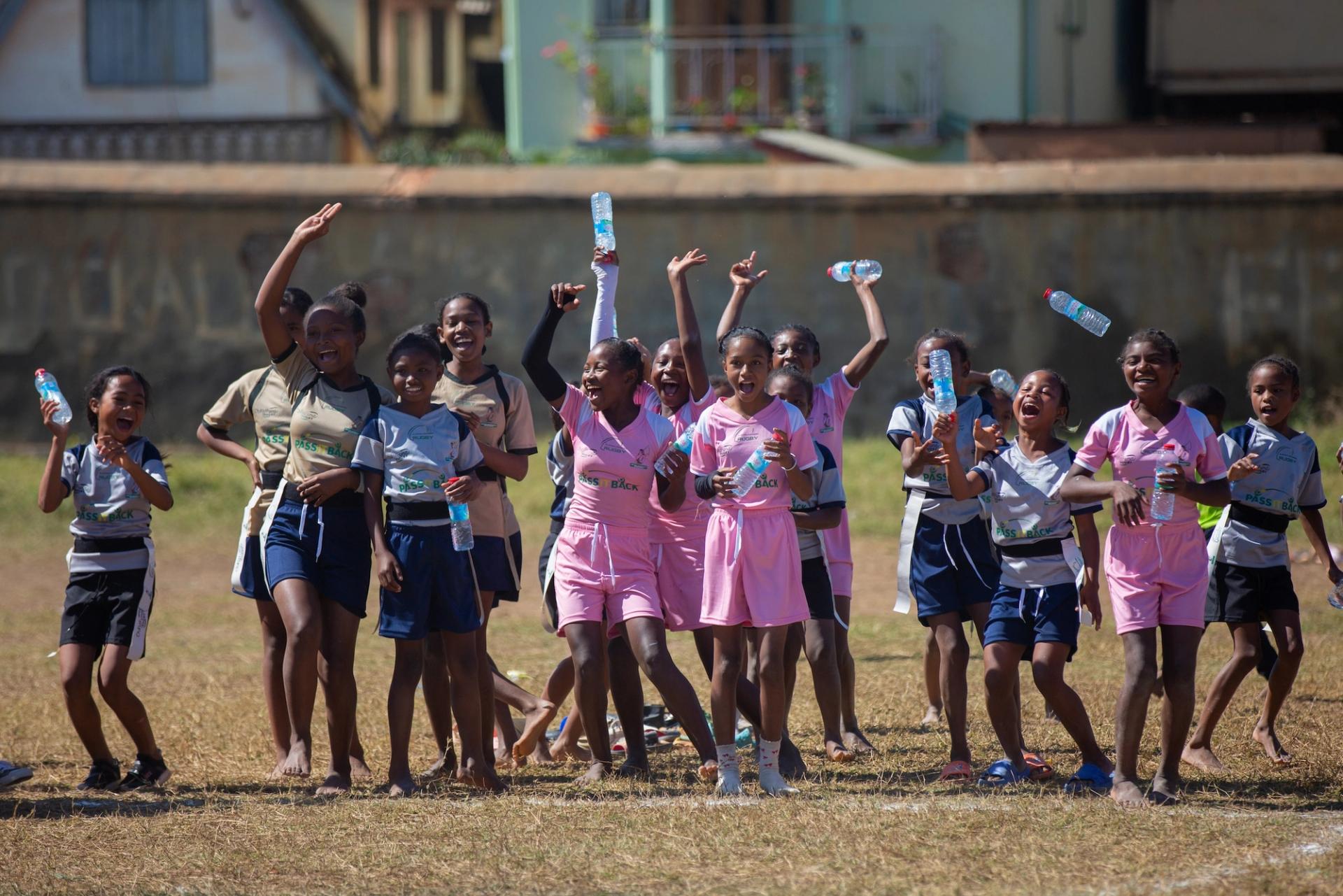
Safeguarding is more than a policy or compliance requirement. It includes the systems, behaviours and relationships that protect young people from harm, abuse, exploitation and neglect while supporting their wellbeing.
For ChildFund Rugby, this means working alongside rugby stakeholders around the world to turn safeguarding standards into practical, everyday actions—from the national governing body to the community coach.
“If you want young people to play your sport, you need to provide an environment where they feel safe and comfortable,” says Chris Mastaglio, Co-Director of ChildFund Rugby. “When young people have a positive experience, they are more likely to return, and their parents and caregivers are more likely to support them.”
Connecting global standards with community realities
Safeguarding has received growing attention across international sport. Frameworks such as the International Safeguards for Children in Sport and the International Olympic Committee’s safeguarding toolkit have helped organisations strengthen their policies, procedures and everyday practices.
The continuing challenge is turning these global commitments into consistent action across widely differing contexts.
ChildFund Rugby has supported rugby organisations working under diverse conditions. These range from countries with strong legislation and established support services to communities where qualified social workers, specialist services or accessible police support may be limited.
ChildFund Rugby has also contributed its experience of working in lower-resource environments to wider international safeguarding initiatives, including the IOC’s Safeguarding Officer in Sport course.
The core principles of safeguarding should remain consistent wherever sport takes place. Their implementation, however, must reflect national laws, available services, referral pathways and community realities. Effective safeguarding combines international good practice with solutions that work in the setting where coaches and young people meet.
Making practical progress with every partner
Partner organisations are at different stages of their safeguarding journeys. Some have professional staff and established systems; others depend almost entirely on volunteers.
ChildFund Rugby therefore takes a practical, collaborative and incremental approach.
Work with a national governing body will typically begin with an assessment of its existing practices against relevant national and sport-specific standards. ChildFund Rugby and the partner then identify two or three achievable priorities for the next 12 months. Progress is reviewed before the next set of improvements is agreed.
Depending on the organisation’s needs, this support may include:
- Developing or strengthening codes of conduct;
- Establishing accessible, age-appropriate reporting mechanisms;
- Clarifying expected behaviour and the consequences of breaches;
- Improving safe recruitment, induction and training;
- Strengthening links with specialist support and referral services;
- Consulting young people about whether they feel safe and able to speak up; and
- Ensuring concerns are handled sensitively by people with the appropriate expertise, in line with relevant laws and reporting obligations.
This staged approach helps organisations build stronger systems without becoming overwhelmed. Immediate improvements can reduce risk while wider policies and procedures are developed, but they do not replace the need for formal reporting processes, accountable leadership and ongoing monitoring.
“Policies are important, but awareness and evidence of practice are what make the difference,” Chris explains. “Safeguarding has to move from a document into the daily experience of coaches, players, staff and volunteers.”
What safeguarding looks like in practice
ChildFund Rugby’s Pass It Back rugby and life skills partnerships demonstrate how different safeguarding measures can work together.
Non-contact T1 rugby helps reduce some forms of physical risk. Coaches receive training to identify and manage risks, respond appropriately to concerns and understand the behaviour expected of them. Codes of conduct set clear standards, while reporting processes help players and coaches know where to turn if they feel unsafe or need support.
Safeguarding is also built into learning activities. Young people develop skills to manage emotions and conflict, recognise unsafe behaviour, understand their rights and identify sources of support in their communities.
An open, non-judgemental environment encourages participants to raise concerns. If a young person makes a disclosure, coaches are expected to listen, respond calmly and follow the established reporting and referral process.
These measures show how safeguarding becomes part of design, coaching practice and the participant experience - not a separate exercise completed only for compliance.
Putting coaches at the centre
Coaches are among the most important links between organisational commitments and young people’s everyday experiences of sport.
ChildFund Rugby and its global rugby partners embed safeguarding expectations into coach recruitment, onboarding, accreditation and ongoing training. Coaches learn:
- What behaviour is expected of them;
- How to establish respectful and inclusive environments;
- How to recognise and respond to concerns;
- How to manage bullying, harassment and conflict;
- Where participants can access support; and
- Which reporting processes must be followed.
Young people should also understand their right to feel safe, how they can raise a concern and what will happen after they speak up. Regular, age-appropriate conversations can help build trust and make reporting more accessible.
Coach education can begin changing everyday behaviour while an organisation strengthens its broader systems. However, coaches must be supported by clear policies, appropriate supervision, trusted reporting mechanisms and leaders who consistently reinforce safeguarding expectations.
Safeguarding supports participation and growth
A safe environment does more than reduce risk. It makes sport accessible to more people.
Young people often need the support of parents, caregivers, extended families and community leaders before they can participate. Families are less likely to support activities where children feel unsafe, excluded, bullied or uncomfortable.
Drawing on the development sector’s experience in community engagement and mobilisation, ChildFund Rugby helps rugby organisations build trust beyond the pitch. This includes listening to young people and families, explaining how concerns will be handled and working with community services and leaders to strengthen support networks.
That trust is particularly important when addressing barriers faced by girls and women, young people in rural communities and groups that have traditionally had fewer opportunities to participate in organised sport.
Safeguarding is therefore both a responsibility and an investment in the future of the game. Safe and inclusive environments help unions attract new players, retain participants and strengthen relationships with their communities.
Building the future of safer sport
ChildFund Rugby’s safeguarding work goes beyond technical guidance. It acts as an interface between sport and international development, combining an understanding of rugby with experience in community systems, referral services, evidence-based initiatives and organisational strengthening.
The next step for safer sport is to ensure that strong international commitments reach every coach and every community. Safeguarding must become a consistent part of governance, accreditation, training, sport delivery and everyday sporting practice.
It also requires continual learning. Organisations must listen to young people, monitor whether systems are working and adapt their approach as risks, communities and services change.
As rugby reaches new players and communities, its safeguarding systems must grow with it. When young people feel protected, respected and valued, they can do more than participate. They can learn, lead and take the positive lessons of sport back into their communities.
Contact ChildFund Rugby to discuss how your organisation can strengthen safeguarding in policy and practice.